
Decoding the State Run Liquor System
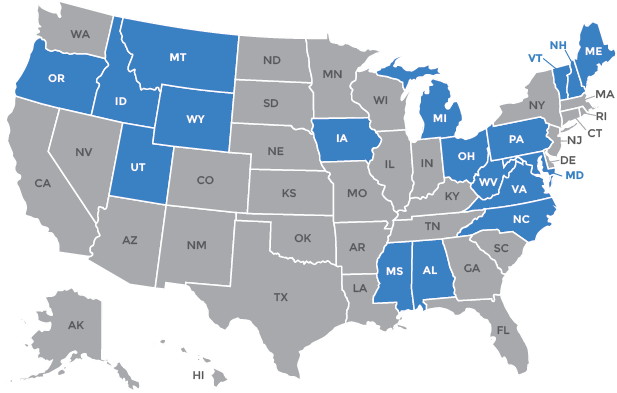
If you’ve ever traveled across the US, you might have noticed something odd: your liquor store might have a different name, like “ABC Store,” and it’s probably the only place to buy hard liquor. That’s because you’ve stepped into what’s known as a Control State or an ABC State (Alcoholic Beverage Control). This system is the biggest exception to the classic, privately run Three Tier System, and it’s a fascinating piece of American alcohol history!
Who Are the State Distributors?
In these control states, the state government itself takes over one or both parts of the middle and retail tiers of the classic system. Essentially, the government becomes the mandated, monopoly distributor, and in many cases, the sole retailer for spirits.
These government agencies are the ones doing the heavy lifting; they buy directly from the distillers (Tier 1), store it in massive state warehouses, and then sell it to bars, restaurants, and the public. The profits generated from these sales often go directly into the state’s general fund to support public services and programs.
How Many Control States Are There?
As of now, 17 states operate as control states, meaning they oversee the wholesaling or retailing of at least one type of alcohol, usually distilled spirits.
In a stricter version of this system, the state runs both the distribution and the retail stores, making them the only place you can buy liquor to take home. These states are a huge headache for whiskey enthusiasts. Special bottles and limited releases are scarce.
These states include places like:
• Alabama
• Idaho
• New Hampshire
• North Carolina
• Pennsylvania
• Utah
• Virginia
Other control states, like Iowa and Michigan, may only control the wholesale distribution, allowing private retailers to handle the actual sale to the public.
How Is This Different from the Three Tier System?
The traditional Three Tier System requires three separate, independent private businesses, the producer, the distributor, and the retailer. The main goal is the separation of powers, to prevent monopolistic control and tied house abuses. A ‘Tied House’ is a retail establishment that is contractually obligated to a specific producer or distributor. This practice is banned in the US that prohibits alcohol suppliers undue influence over retailers such as bars, restaurants, and liquor stores. For example, If I owned The Nashville Whiskey Guy bar. I also own a portion of Buffalo Trace Distillery. I only serve Buffalo Trace products. I block all other distilleries and distributors from my establishment.
The Control State system, however, consolidates two or all three tiers under government control for spirits: The key difference is the middle tier. The government steps in as the official wholesaler. The producer no longer sells to a private distributor; they sell directly to the state’s ABC board. In the strictest control states, the state then acts as both the distributor and the retailer, effectively taking over Tiers 2 and 3. This centralized approach means less competition on pricing and product selection, but proponents argue it offers better control over sales, limits access to minors, and provides a significant, reliable source of tax revenue for the state.
If you’re ever searching for that perfect bottle and find yourself heading to an “ABC” store, you’re experiencing a fascinating, unique slice of American alcohol law in action. You will, most likely, be disappointed in the selection and results, but know you can always visit another state or attempt to shop online for your whiskey needs.

Leave a Reply
Become an insider and receive weekly advice, tips, and insight on all things whiskey
.
Weekly tips, reviews and recommendations to help you enjoy whiskey life to the fullest.
JOIN THE LIST

Sippin' With Jordan Davis
sippin' with the stars

Million Dollar Cowboy Bar WY
old fashioned aF

5 Steps To Sip and Savor Whiskey
whiskey 101

COMMENTS