
What Are Short Barrels?
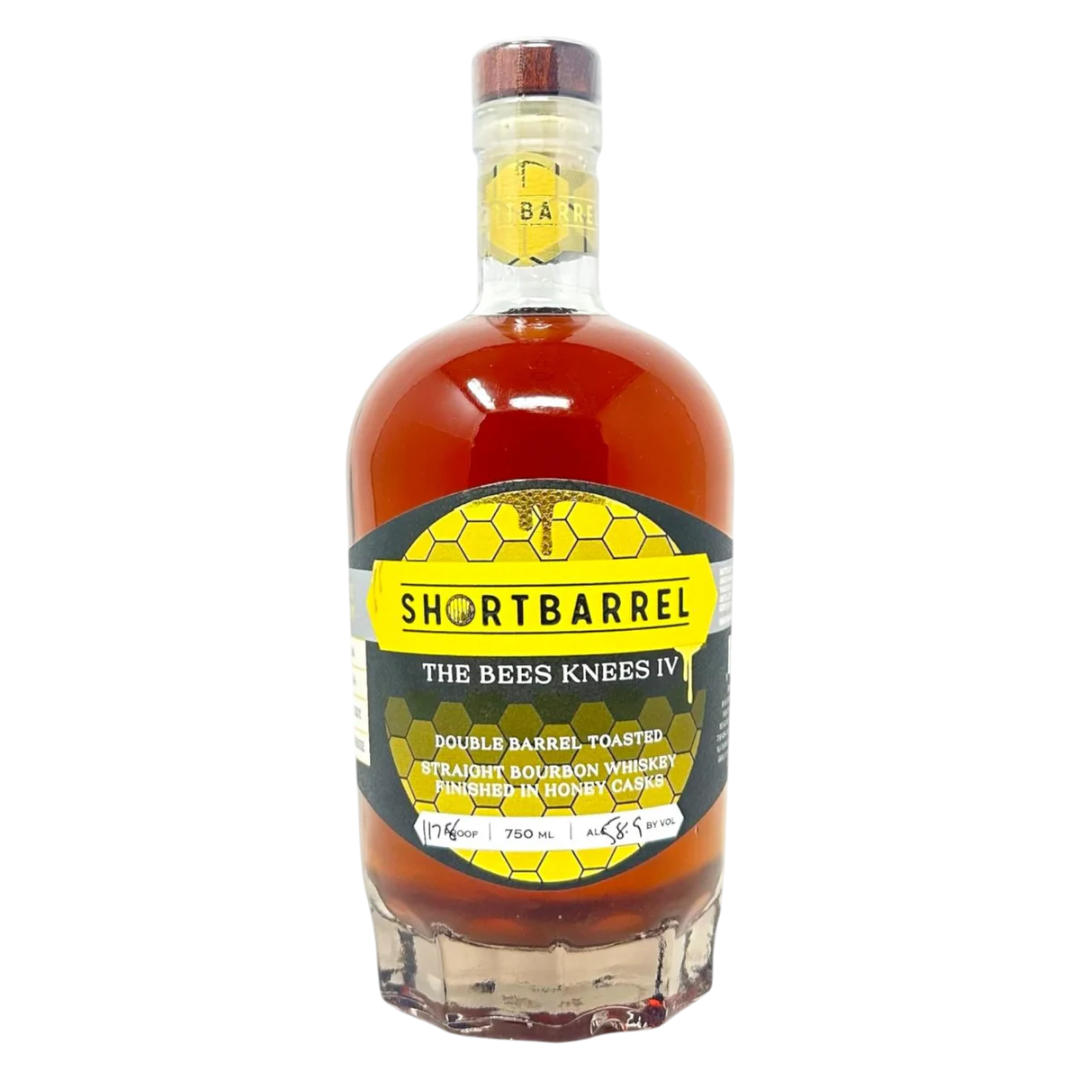
There is a relatively new term I’m seeing more and more scrolling through whiskey forums or browsing the high-end shelves lately. This term sounds like a sizing error: Short Barrel.
But don’t worry, they aren’t selling you a smaller bottle. In the whiskey world, a “short barrel” is a badge of honor for some of the most intense, concentrated liquid you can find. Here is the lowdown on what it means, where it came from, and why it’s currently becoming the “it” thing for bourbon nerds.
What Exactly Is a “Short Barrel”?
In simple terms, a short barrel is a barrel that has lost more than half of its contents to evaporation (the “Angel’s Share”) during the aging process.
Usually, a standard 53-gallon barrel might lose 20% to 30% over several years. But sometimes—due to a leak, a hot spot in the rickhouse, or just plain luck—the whiskey evaporates at a much higher rate. When the distillery goes to bottle it, they find the barrel is “short.”
Why do people want it?
Because the water and alcohol evaporated, but the flavor stayed behind. What’s left is a whiskey that is:
- Hyper-concentrated: Thick, syrupy, and incredibly bold.
- Oak-forward: Because there is less liquid touching the same amount of wood, the extraction of vanilla, caramel, and tannins is cranked up to eleven.
Where Did the Term Originate?
The term has existed in distillery logbooks for decades as a literal description of inventory (“this barrel is running short”). However, it was popularized as a brand and a specific “category” of enthusiast whiskey by Shortbarrel Bourbon, a company founded in Atlanta around 2016.
The founders (a group of friends who were obsessed with picking single barrels) realized that the “short” barrels they found during their tasting trips were almost always the best ones in the house. They decided to name their entire brand after this phenomenon, turning what used to be a “distiller’s loss” into a premium selling point.
Who Is Leading the Way?
While many major distilleries (like Buffalo Trace or Heaven Hill) occasionally release “short” barrels within their Single Barrel programs, a few specific names have made this their identity:
- Shortbarrel Bourbon: The pioneers of the name. They specialize in sourcing high-quality barrels from Kentucky and Indiana that fit this profile.
- Barrell Craft Spirits: While they don’t always use the specific “short barrel” branding, they are the kings of finding these “honey barrels” and blending them into high-proof, complex releases.
- Independent Bottlers: Many “Private Select” groups and small-batch bottlers now specifically hunt for low-yield barrels because they know the “tater” (whiskey enthusiast) market craves that intensity.
Is It a Growing Segment?
Absolutely. But there’s a catch: it’s a segment defined by scarcity.
You can’t force a barrel to be short (at least not without ruining the whiskey). As the whiskey market moves away from “smooth and easy” and toward “bold and complex,” more consumers are looking for high-proof, unfiltered, and low-yield expressions.
It fits perfectly into the “Single Barrel” craze that has dominated the 2020s. People want something unique that can’t be replicated, and a barrel that lost 60% of its soul to the atmosphere is about as unique as it gets.
Want to hunt one down?
Keep an eye out for “Single Barrel” stickers that mention a low bottle count. If a typical barrel yields 150–200 bottles and you see one that only produced 60? You’ve found yourself a short barrel.

Leave a Reply
Become an insider and receive weekly advice, tips, and insight on all things whiskey
.
Weekly tips, reviews and recommendations to help you enjoy whiskey life to the fullest.
JOIN THE LIST

Sippin' With Jordan Davis
sippin' with the stars

Million Dollar Cowboy Bar WY
old fashioned aF

5 Steps To Sip and Savor Whiskey
whiskey 101

COMMENTS