
The Role of Malted Barley in Distillation
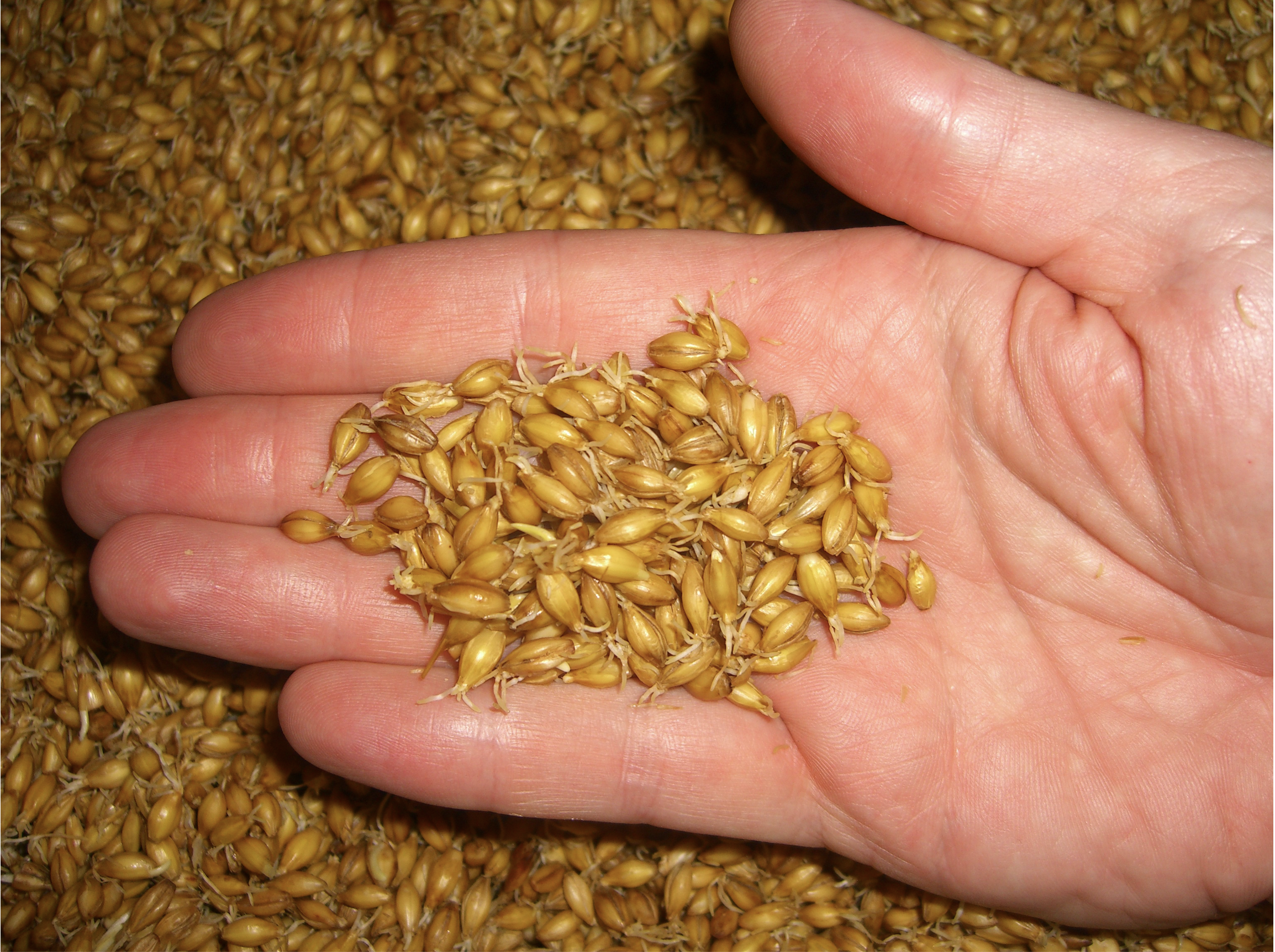
Malted barley may not always be the star of the mashbill, especially in American whiskey, but it plays a far bigger part than most people realize. Even when used in smaller amounts, it’s the grain that makes everything else possible. It fuels fermentation, shapes flavor, and quietly influences the character of the whiskey long before it ever reaches a barrel. In other words, malted barley is the unsung hero of distillation.
The role is two-fold. It provides the fermentable sugars necessary to create alcohol, and it is a major contributor to the flavor profile of the final spirit.
Key Role: Starch Conversion
The single most important function of malting barley is to unlock the starches within the grain and convert them into simple, fermentable sugars.
Enzyme Activation (Malting): Raw barley is soaked in water and allowed to begin sprouting (germinate). This process activates enzymes, primarily amylase, that are naturally present in the grain.
Starch Breakdown (Mashing): The germinated barley—now called malt—is dried and ground into a coarse flour called “grist.” When the grist is mixed with hot water in the mash tun (a process called mashing), these activated enzymes get to work.
Sugar Production: The enzymes break down the complex starches into simpler sugars, most notably maltose. This sweet, sugary liquid, called wort, is what the yeast will consume.
Fermentation: The wort is then transferred to a washback where yeast is added. The yeast consumes the fermentable sugars, producing alcohol (ethanol) and various flavor compounds, a process that is only possible because the malted barley provided the sugar.
Without the malting process to activate these enzymes, the starches in the barley would remain largely inaccessible to the yeast, and the resulting alcohol yield would be negligible.
Flavor and Character
Malted barley also significantly impacts the final taste and aroma of the whisky:
- Malty Sweetness: It naturally imparts a characteristic malty, nutty, and biscuity sweetness.
- Drying Process: The way the malt is dried influences the flavor. If the malt is dried over a fire fueled by peat, it infuses the grain with the smoky, earthy compounds that define peated Scotch whiskies. If dried with hot air, the flavor remains clean and focused on the grain’s natural character.
- Body and Texture: The specific variety of barley and its processing can also influence the mouthfeel and body of the new-make spirit, contributing to whether the final whisky is light and delicate or rich and full-bodied.
Malted barley is mostly the lowest percentage grain used in a whiskey mashbill. But its influence on the final product remains large.
Even though it often plays a supporting role, malted barley has an outsized impact on the whiskey in your glass. It provides the sugars that kickstart fermentation, brings its own natural sweetness and character, and helps create the structure that the barrel later builds on. So the next time you sip your favorite pour, you’ll know that malted barley is working behind the scenes, adding depth and personality you might never notice at first glance but would absolutely miss if it weren’t there.

Leave a Reply
Become an insider and receive weekly advice, tips, and insight on all things whiskey
.
Weekly tips, reviews and recommendations to help you enjoy whiskey life to the fullest.
JOIN THE LIST

Sippin' With Jordan Davis
sippin' with the stars

Million Dollar Cowboy Bar WY
old fashioned aF

5 Steps To Sip and Savor Whiskey
whiskey 101

COMMENTS