
The Truth About Hazmat Whiskey
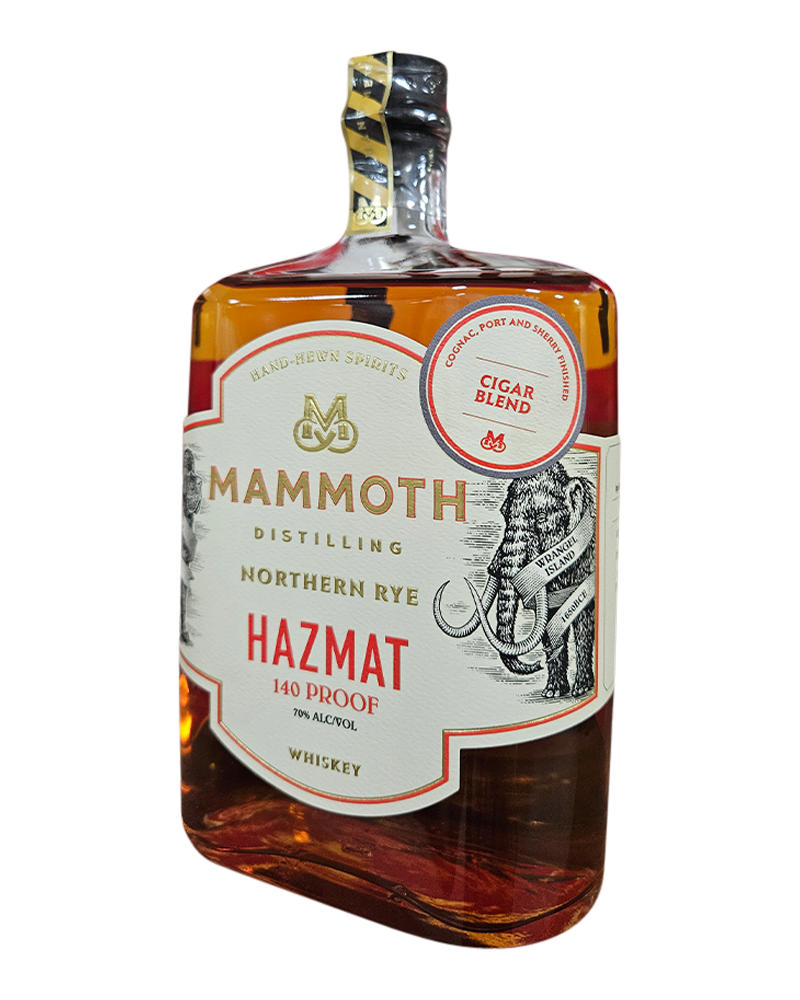
American whiskey, especially bourbon, has seen a new kind of bottle take center stage lately, and it definitely brings the heat. You may have heard the term passed around by enthusiasts, usually saved for the boldest and hardest to find releases: hazmat whiskey. But what exactly is this high-octane spirit, and why is it suddenly such a big deal?
What Makes a Whiskey “Hazmat”?
The term “hazmat” is whiskey slang, referring to any spirit bottled at 140 proof (70% alcohol by volume) or higher.
This classification comes from the Federal Aviation Administration (FAA), which considers any liquid above 140 proof to be a highly flammable, hazardous material. This means, legally, you cannot check a bottle of true hazmat whiskey on a commercial flight!
How does a spirit get this strong? While most whiskeys enter the barrel at or below 125 proof, the magic happens during aging, especially in hot climates like Kentucky. The liquid in barrels stored on the upper floors of a rickhouse, often called the “buzzard’s roost,” experiences extreme heat. This causes more water to evaporate than alcohol, pushing the final proof up past the 140 mark. The result is a highly concentrated, powerful spirit.
The Allure of Extreme Proof
The rise of hazmat whiskey is part of the larger trend toward high proof, “cask strength” bottling. For a certain segment of whiskey drinkers, there are a few major draws:
• Intense Flavor: The high proof means the liquid is less diluted, delivering an undiluted, concentrated blast of all the wonderful flavors it picked up from the barrel, like deep caramel, rich oak, and baking spice.
• The Dilution Control: Since distillers haven’t added water, the drinker gets to be the master blender. You can enjoy the hazmat whiskey neat for maximum heat, or you can slowly proof it down with water or an ice cube until it reaches your perfect drinking strength.
• Exclusivity and Novelty: Because so few barrels naturally hit this mark, these releases are rare and highly sought after by collectors. A legendary release like some batches of George T. Stagg can easily cross the 140-proof line, adding to its mythical status.
The Good & Bad of the Hazmat Trend
Every trend has its ups and downs. Here is a look at the trade offs of seeking out these ultra-high proof bottles.
The Good: Richness and Intensity. The primary pro is the incredible depth of flavor. A well-made hazmat whiskey can offer a complexity that seems to defy its proof. The intensity of the barrel notes, the char, and the rich wood sugars are amplified. It offers a true “straight from the barrel” experience that many enthusiasts crave as the most authentic representation of the spirit.
The Bad: Heat Over Flavor. The main downside is the sheer “burn.” For many, the high alcohol content simply overpowers the palate, numbing the taste buds and making it difficult to pick out the subtle, nuanced flavors. Some argue that pushing the proof so high starts to strip away the congeners that provide traditional whiskey flavors, moving it closer to a neutral spirit. Furthermore, higher proof means significantly more alcohol per serving, so one must be extra careful and mindful when enjoying this high-octane dram.
The trend for ultra-high proof isn’t going away anytime soon. If you’re looking to dive into the deep end of the whiskey pool, a little splash of water or ice can be your best friend when tasting your first hazmat whiskey.

Leave a Reply
Become an insider and receive weekly advice, tips, and insight on all things whiskey
.
Weekly tips, reviews and recommendations to help you enjoy whiskey life to the fullest.
JOIN THE LIST

Sippin' With Jordan Davis
sippin' with the stars

Million Dollar Cowboy Bar WY
old fashioned aF

5 Steps To Sip and Savor Whiskey
whiskey 101

COMMENTS