
The Surprising Taxes On Whiskey
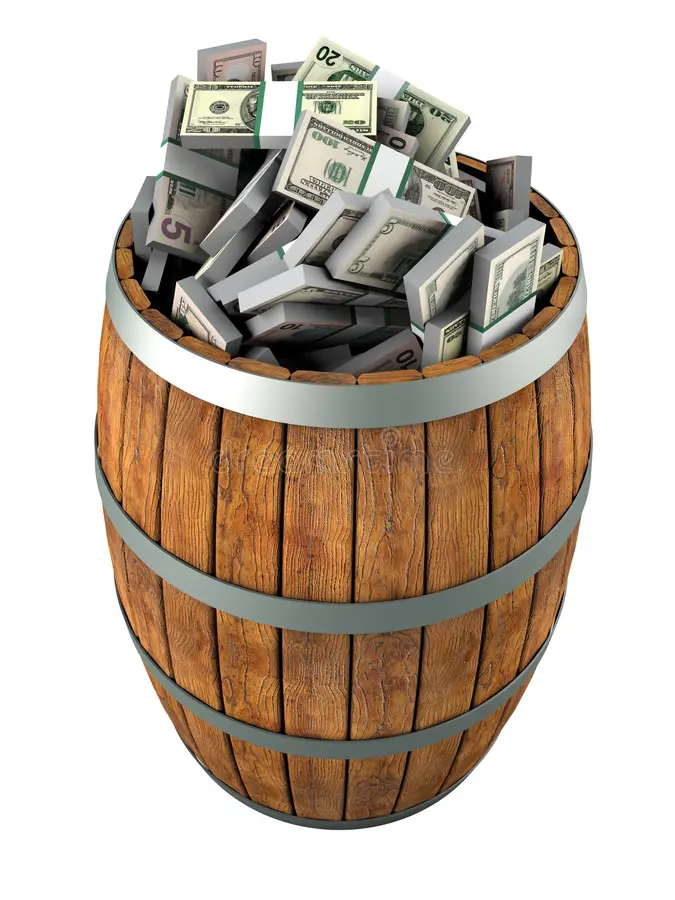
Have you ever wondered why a bottle of premium whiskey costs what it does? It’s not just the fancy glass or the decade it spent maturing in a rickhouse. Before that distillate even hits your glass, it has been run through a gauntlet of taxes so repetitive it would make an accountant dizzy.
In the world of spirits, there is a saying: “Uncle Sam is the first one at the bar.” Here is the breakdown of how many times a whiskey barrel is taxed throughout its life cycle.
1. The “Sitting Still” Tax
In most industries, you aren’t taxed on your inventory until you sell it. Whiskey is the exception—specifically in Kentucky.
- The Tax: Known as the Barrel Tax or Ad Valorem Tax.
- The Percentage: It’s based on the assessed value of the aging spirit. In Kentucky (the only state that still does this significantly), distillers pay roughly $0.05 per $100 of value to the state, plus additional local rates.
- Where it goes: This money is a lifeline for local communities. About 86% of it stays local, funding public schools, fire departments, and EMS services. It’s the reason many “Bourbon Counties” have such great local infrastructure
2. The Federal “First Cut” (Excise Tax)
The moment that whiskey is removed from the barrel and bottled for sale, the federal government steps in.
- The Tax: Federal Excise Tax (FET).
- The Percentage: The rate is $13.50 per proof gallon. However, thanks to the Craft Beverage Modernization Act, smaller distillers pay a reduced rate of $2.70 on their first 100,000 proof gallons.
- Where it goes: This goes straight into the Federal General Fund. It’s one of the oldest taxes in America—so old it sparked the “Whiskey Rebellion” in the 1790s.
3. The State “Permission” Tax (State Excise)
Once the feds take their share, the state wants a piece too. Every state has its own rate, and the range is wild.
- The Tax: State Excise Tax.
- The Percentage: This varies by state. You might pay $2.00 per gallon in Missouri, or a staggering $36.98 per gallon in Washington state.
- Where it goes: Usually into the State General Fund, often earmarked for public health programs or law enforcement.
4. The “Middleman” Tax (Wholesale Tax)
In many states, whiskey must go through a distributor. Guess what? They get taxed too.
- The Tax: Wholesale or Case Tax.
- The Percentage: For example, Kentucky charges an 11% wholesale tax.
- Where it goes: Like the excise tax, this often supports state-level infrastructure and regulatory bodies like the ABC (Alcoholic Beverage Control).
5. The “Finish Line” Tax (Sales Tax)
Finally, the bottle reaches you at the liquor store.
- The Tax: Retail Sales Tax (plus sometimes a specific “Sin Tax”).
- The Percentage: Typically, your local sales tax (e.g., 6% to 10%).
- Where it goes: General local and state coffers for roads, parks, and city maintenance.
The Grand Total
When you add it all up—from the barrel sitting in the warehouse to the bottle in your hand—taxes can account for up to 60% of the retail price of a bottle of whiskey. Essentially, you aren’t just buying a drink; you’re funding the local school’s new gym and paving the highway one sip at a time.
Cheers to being a productive citizen!

COMMENTS
Leave a Reply
Become an insider and receive weekly advice, tips, and insight on all things whiskey
.
Weekly tips, reviews and recommendations to help you enjoy whiskey life to the fullest.
JOIN THE LIST

Sippin' With Jordan Davis
sippin' with the stars

Million Dollar Cowboy Bar WY
old fashioned aF

5 Steps To Sip and Savor Whiskey
whiskey 101

https://shorturl.fm/DOPKh