
Are Neck Pours A Thing?
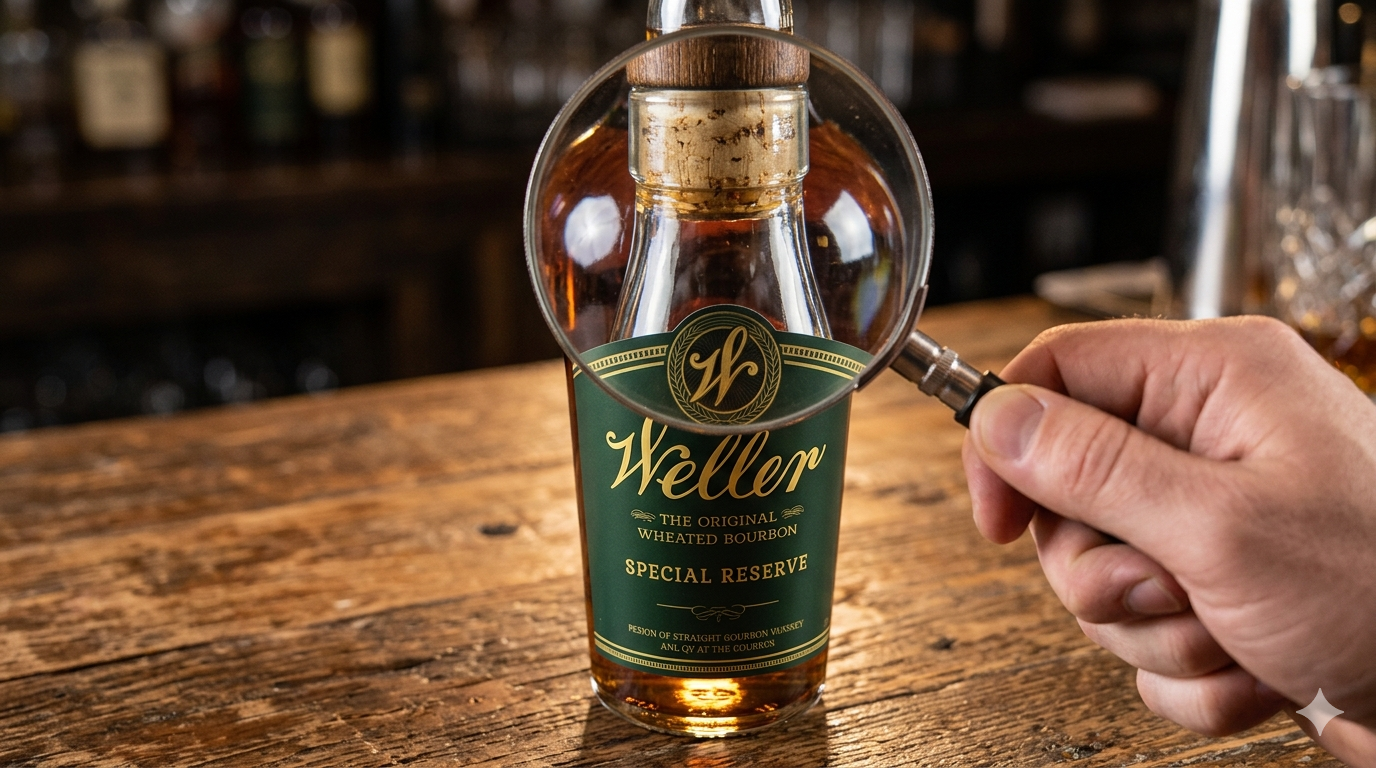
Those of you who have spent any time in a whiskey tasting room or scrolling through bourbon forums, have likely heard someone talk about the neck pour. The theory is simple. The very first glass poured from a freshly cracked bottle is somehow different than the rest of the liquid. Most people claim it is harsher or less flavorful. Some enthusiasts swear you must pour that first ounce out and let the bottle breathe for a week before the real whiskey shows up. But is this actual chemistry or just another whiskey ghost story? Let us crack the seal on the science.
The Origin of the Myth
The neck pour idea suggests that because the liquid in the neck has a different surface area to air ratio than the body of the bottle, it matures or oxidizes differently. People often report that a bottle they hated on day one becomes their favorite by day fourteen. But if you ask the people who make the stuff, the neck is not a magical flavor altering chamber.
What the Masters Say
When you talk to the legends in the industry, they are quick to debunk the idea that the liquid itself is physically different. Harlan Wheatley, Master Distiller at Buffalo Trace, is a man of science and process. He has noted that the whiskey in the neck of the bottle is the same whiskey that is at the bottom. The team goes to great lengths to ensure consistency and quality in every drop before it is bottled.
Similarly, Connor O’Driscoll, Master Distiller at Heaven Hill, points out that the change people taste is often more about the environment than the liquid. He has famously shared that whiskey does not change that much in the bottle in the few minutes it takes to pour a glass. Your palate, however, changes constantly.
What Does Science Say?
Scientifically speaking, there is no such thing as a neck pour in terms of chemical composition. A sealed bottle is a closed system. The liquid in the neck is in constant contact with the rest of the liquid in the bottle. Through a process called diffusion, the molecules are moving and mixing constantly. There is no wall keeping the neck whiskey separate from the good whiskey in the belly of the bottle.
While whiskey does not age once it is in glass, it does interact with air once you open it. Volatilization occurs when the most aggressive aromatic compounds start to evaporate. Oxidation is a slow chemical reaction with oxygen that can mellow out tannins over months. These things do happen, but they do not happen in the three seconds it takes to pour the neck. They happen to the entire bottle over the weeks after you have opened it and created headspace.
The most likely scientific explanation for the neck pour phenomenon is human biology. First, there is palate acclimation. Your first sip of a high proof bourbon is a shock to the system. By the time you get to the second glass, your taste buds have adjusted to the high alcohol content. This allows you to taste the underlying notes of vanilla or spice. There is also psychological bias. If you expect the first pour to be tight or closed off, your brain will help you find evidence to prove it.
The Verdict
The neck pour as a physical reality is a myth. The liquid in the neck is identical to the liquid at the bottom. However, the neck pour as an experience is truth. A bottle does change subtly over time as it interacts with oxygen in the headspace, and your palate does change as you get used to a specific profile.
If you open a new bottle and it feels a little too hot, before you dump it, give it a swirl, add a drop of water, and come back to it in a few days. You may be surprised how much you enjoy it now. The whiskey did not change, but your relationship with it did.

Leave a Reply
Become an insider and receive weekly advice, tips, and insight on all things whiskey
.
Weekly tips, reviews and recommendations to help you enjoy whiskey life to the fullest.
JOIN THE LIST

Sippin' With Jordan Davis
sippin' with the stars

Million Dollar Cowboy Bar WY
old fashioned aF

5 Steps To Sip and Savor Whiskey
whiskey 101

COMMENTS