
Scotch Whisky Basics For Beginners
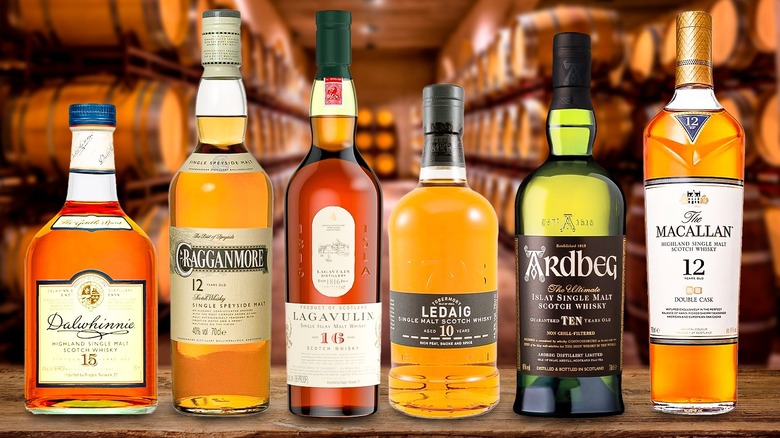
Recently, I’ve had a few requests to write about Scotch Whiskey. I’m not a Scotch guy, by any means, but let me lay out a brief overview of what I do know. To begin, the terms “malt whisky” and “single malt” are fundamental to understanding Scotch. One must also understand that there are five main Scotch regions: Speyside, Highlands, Lowlands, Islay, and Campbeltown, each offering distinct styles and flavor profiles shaped by their local geography and distillation methods. Here’s how they can vary:
- Speyside: Located within the Highlands, this region has the highest concentration of distilleries (over 50%) and is known for producing refined, complex single malts with notes of fruit and honey, such as Glenfiddich and The Glenlivet.
- Highlands: Covering the largest geographic area, Highland whiskies vary widely but are often characterized by a rich, fruity profile.
- Islay: Known for bold, heavily peated, and smokey whiskies (e.g., Laphroaig, Lagavulin).
- Lowlands: Traditionally produces lighter, softer, and more floral whiskies often described as “easy drinking”.
- Campbeltown: Formerly known as the “whisky capital of the world,” this small region produces unique, oily, and slightly salty single malts
Scotch Malt Whisky
A Scotch Malt Whisky is considered the “original” style of whisky from Scotland. “Malt” scotch often refers to blended malt (multiple distilleries) or blended scotch (malt and grain), offering a smoother, lighter, and more consistent, balanced taste. It is defined by its ingredients and production process:
- Grain: It must be made exclusively from malted barley.
- Location: It must be made at a distillery in Scotland.
- Distillation: It must be distilled in copper pot stills.
- Aging: Like all Scotch whisky, it must be matured in oak casks in Scotland for a minimum of three years.
The inclusion of grain whisky adds a sweeter, lighter, and smoother profile with less intense peaty or smoky elements. This makes it more balanced and approachable for beginners.
Single Malt Scotch Whisky
Single Malt Scotch Whisky is a type of Scotch made entirely from malted barley at one distillery, known for its depth of flavor and strong sense of place. Depending on where it is produced, it can carry distinctive characteristics such as smoky, peaty, fruity, or floral notes. What makes it “single malt” comes down to both the ingredients and where it is made:
- Single Distillery: The entire spirit in the bottle must come from a single, individual distillery. The word “single” refers to the distillery, not the batch or barrel.
- Blending: It is typically a blend (or “marriage”) of whiskies of different ages, but all of them must have been distilled at that same distillery.
This contrasts with a Blended Malt Scotch Whisky (formerly “vatted malt” or “pure malt”), which is a blend of single malt whiskies from two or more different distilleries. Because it is not blended, you can taste the specific nuances of the wood, peat, and distillery methods.
The Mash Bill Connection
The mash bill is the recipe for the grains used to make whiskey and has everything to do with it.
For a whisky to be classified as a Malt Whisky (and therefore, a Single Malt Scotch Whisky), the mash bill must be 100% malted barley. No other cereals, like corn, rye, or wheat, are permitted in the mash for a malt whisky.
Other types of Scotch, such as Single Grain Scotch Whisky (which can be made from a mash bill including other cereals like wheat or corn) or Blended Scotch Whisky (a blend of malt whisky and grain whisky), have different mash bill requirements.
The method that they dry the malted barley with peat smoke is what makes Scotch off putting to me. I’m not a smoker, never have been. The smell and taste are unappealing to me. I’ll never be a Scotch guy. It just doesn’t hit my palate. But that doesn’t mean it’s not up your alley. I would suggest that before you run out and purchase a 21 Year Glenlivet, that you try some pours at bars and see what hits you. It’ll be fun to experiment to see what you like.

Leave a Reply
Become an insider and receive weekly advice, tips, and insight on all things whiskey
.
Weekly tips, reviews and recommendations to help you enjoy whiskey life to the fullest.
JOIN THE LIST

Sippin' With Jordan Davis
sippin' with the stars

Million Dollar Cowboy Bar WY
old fashioned aF

5 Steps To Sip and Savor Whiskey
whiskey 101

COMMENTS