
What Is Allocated Bourbon?
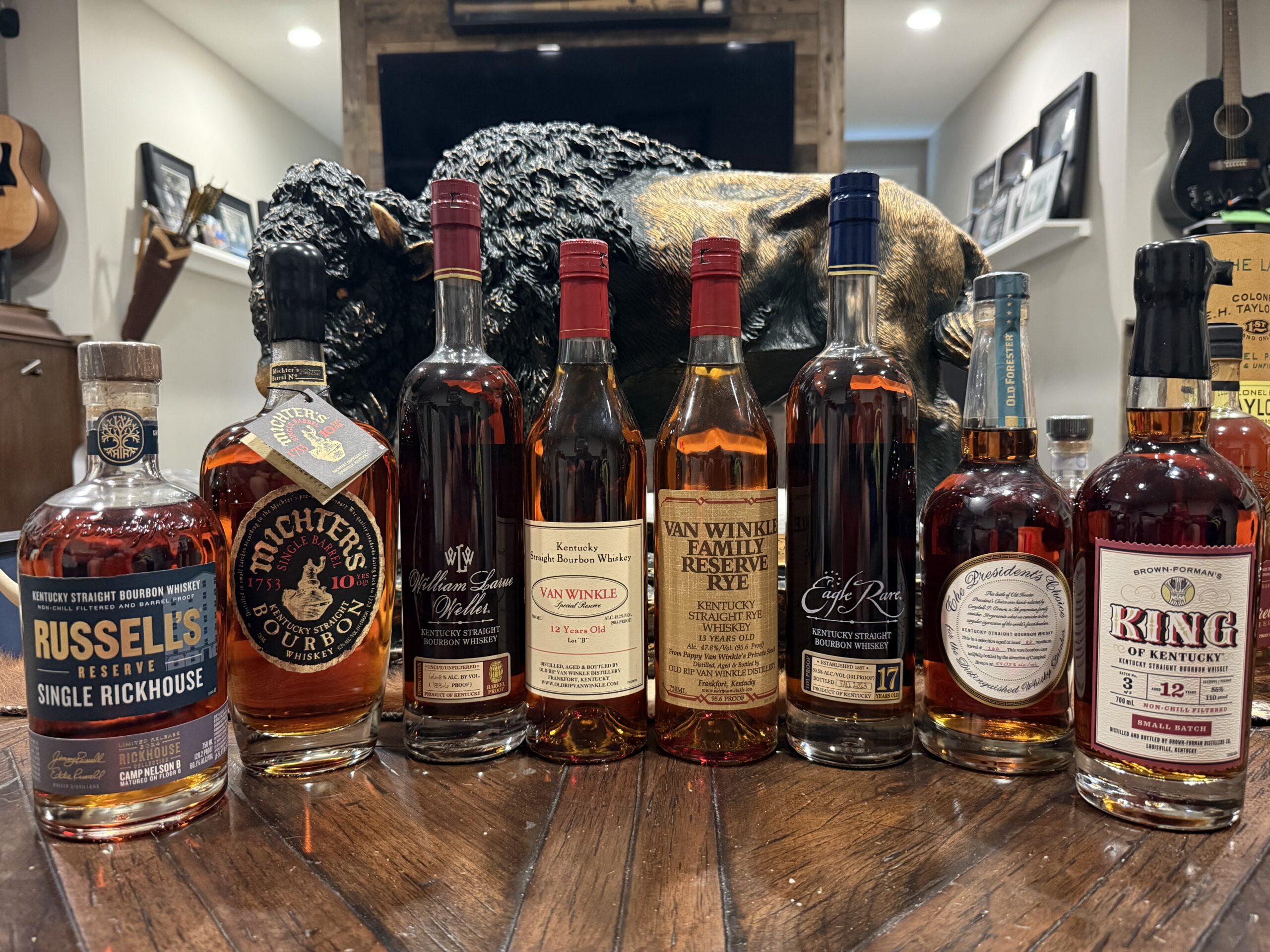
You will often hear the word allocated tossed around in the bourbon world like it is a secret handshake. If you have ever walked into a liquor store and seen a shelf that looks like a picked over clearance rack, only to find out the good stuff is hidden in the back for special customers, you have met the allocation system. Here is the breakdown of what is happening behind the scenes.
What Exactly is Allocated Bourbon
Simply put, allocation is a rationing system. When a distillery produces a specific bourbon but knows the demand will far outweigh the supply, they do not just put it on a truck and hope for the best. Instead, the distillery allocates a specific number of cases to each state distributor. Those distributors then decide which liquor stores, bars, and restaurants get a piece of the pie. Usually, this is based on earned loyalty. This means a store that sells a massive amount of a brand standard bottom shelf vodka or tequila is more likely to be rewarded with a few precious bottles of their rare bourbon.
The Most Allocated Brands
While many brands have limited releases, a few names consistently sit at the top of every hunter list. As of 2026, these remain some of the toughest gets. The Buffalo Trace Antique Collection includes heavy hitters like George T Stagg and William Larue Weller. Pappy Van Winkle remains the original king of hype. Whether it is the fifteen, twenty, or twenty three year, these are the crown jewels of allocation. Other tough finds include W L Weller Full Proof and Single Barrel expressions, as well as the Old Forester Birthday Bourbon which vanishes instantly every year. Michter’s Limited Releases like their ten year and Celebration Sour Mash are also legendary for their scarcity. Even Eagle Rare ten year, which used to be a shelf staple, is now strictly allocated in most states.
Why Does This System Exist
It boils down to two things which are time and math. The first issue is the aging lag. Unlike vodka or gin, which can be made in days, bourbon is a time capsule. Distillers had to guess in 2014 how much bourbon we would want to drink in 2024. They underestimated the bourbon boom and you cannot exactly force a barrel into aging faster. The second reason is brand protection. Allocation prevents one giant big box retailer from buying every single bottle of a rare release. This would leave local mom and pop shops with nothing. It keeps the brand visible in more places even if it is only one bottle at a time.
Is Inventory Ever Getting Better?
The short answer is yes, but it is complicated. We are currently seeing a market correction. For the first time in a decade, the massive inventory expansion of the mid-2010s is hitting maturity. In fact, as of early 2026, Kentucky has a record breaking sixteen million barrels aging in warehouses. That equates to 3 barrels for every member of the Commonwealth.
The good news for 2026 is that mid-tier availability is way up. Bottles that were allocated two years ago are starting to linger on shelves a bit longer in some regions. The hype is also cooling. Some of the people who buy only for resale are exiting the market as secondary prices stabilize or even drop. Furthermore, massive distillery expansions are finally pumping out more liquid than ever before. While you still won’t find a Pappy sitting next to the mixers at your local grocery store, the days of needing a secret password, winning a store lottery, or overpaying to buy a decent bottle are slowly coming to an end. Will they ever be gone? Probably not for some of the most coveted bottles, but your chances are better than they’ve been in the last ten years.

Leave a Reply
Become an insider and receive weekly advice, tips, and insight on all things whiskey
.
Weekly tips, reviews and recommendations to help you enjoy whiskey life to the fullest.
JOIN THE LIST

Sippin' With Jordan Davis
sippin' with the stars

Million Dollar Cowboy Bar WY
old fashioned aF

5 Steps To Sip and Savor Whiskey
whiskey 101

COMMENTS