
Bourbon Just Celebrated a Birthday
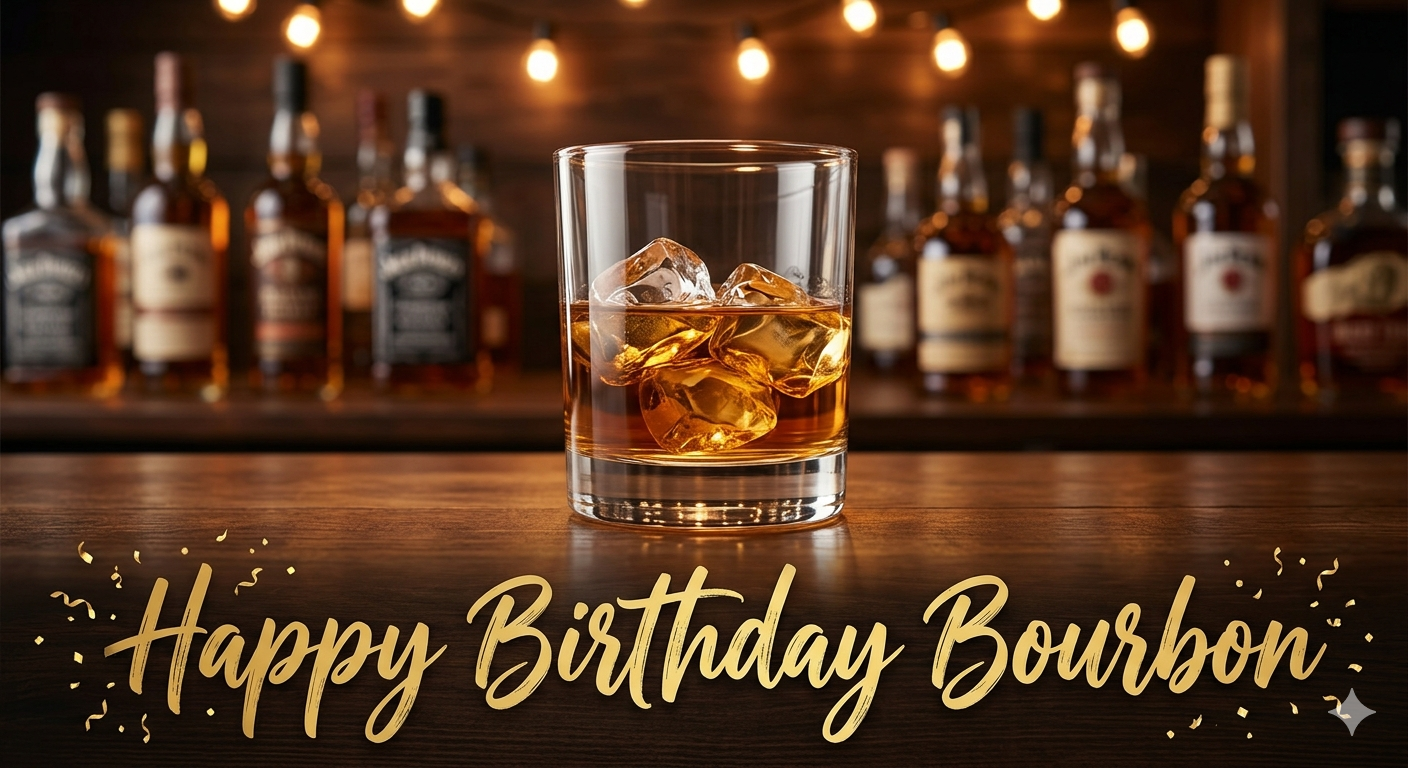
On May 4, 1964, the United States Congress passed a concurrent resolution that officially changed the trajectory of the spirits industry. It declared Bourbon Whiskey as a “distinctive product of the United States,” giving it a level of legal protection similar to what France provides for Cognac or Scotland for Scotch.
As of May 2026, bourbon has held this “uniquely American” status for 62 years (though the industry often celebrates the anniversary of the 1964 resolution as its official “birthday”).
How It Became “America’s Native Spirit”
The journey to this designation was driven by both heritage and trade protection:
- The Watts Resolution: Kentucky Representative John C. Watts introduced the resolution to prevent foreign distillers from using the name “bourbon.” At the time, other countries were beginning to produce spirits labeled as bourbon, which threatened the American industry’s identity.
- Congressional Protection: By declaring it “distinctive,” the U.S. government signaled to the world that bourbon can only be made in the United States. This allowed the U.S. to negotiate trade agreements that protected the name internationally.
- Cultural Identity: While it wasn’t officially called “America’s Native Spirit” until a 2007 Senate resolution, the 1964 act cemented bourbon as a cultural icon—a spirit born from frontier necessity and American corn.
What Makes It Unique?
To be legally called bourbon, a spirit must follow a strict set of rules. If a distiller misses even one of these “Six Pillars,” it is simply “whiskey,” not bourbon.
1. Made in the USA: While 90% of bourbon comes from Kentucky, it can legally be made in any of the 50 states. It cannot, however, be made in any other country.
2. The 51% Rule: The “mash bill” (the grain recipe) must consist of at least 51% corn. This is what gives bourbon its characteristic sweetness compared to the spiciness of rye or the smokiness of scotch.
3. New Charred Oak: Bourbon must be aged in new, charred oak containers. Most whiskeys globally reuse barrels, but bourbon requires fresh wood every time. This creates the deep vanilla, caramel, and toffee notes.
4. No Additives: Unlike many other spirits (including some scotches and brandies), bourbon cannot have any added colors or flavors. The color and flavor must come entirely from the grain, the yeast, and the barrel.
5. Proof Limits:
- It must be distilled to no more than 160 proof (to preserve the grain’s flavor).
- It must enter the barrel at no more than 125 proof.
- It must be bottled at a minimum of 80 proof.
6. The “Straight” Distinction: While there is no minimum age requirement for “Bourbon,” to be called “Straight Bourbon,” it must be aged for at least two years.
Why It Matters
The 1964 resolution wasn’t just about pride; it was about integrity. It ensured that when a consumer sees “Bourbon” on a label, they are guaranteed a product that hasn’t been tampered with and has been crafted according to a centuries-old American tradition. Next time you pour a glass, you aren’t just drinking whiskey; you’re drinking a protected piece of American history.

Leave a Reply
Become an insider and receive weekly advice, tips, and insight on all things whiskey
.
Weekly tips, reviews and recommendations to help you enjoy whiskey life to the fullest.
JOIN THE LIST

Sippin' With Jordan Davis
sippin' with the stars

Million Dollar Cowboy Bar WY
old fashioned aF

5 Steps To Sip and Savor Whiskey
whiskey 101

COMMENTS