
Why Whiskey Drinkers Are Falling for Additive Free Tequila
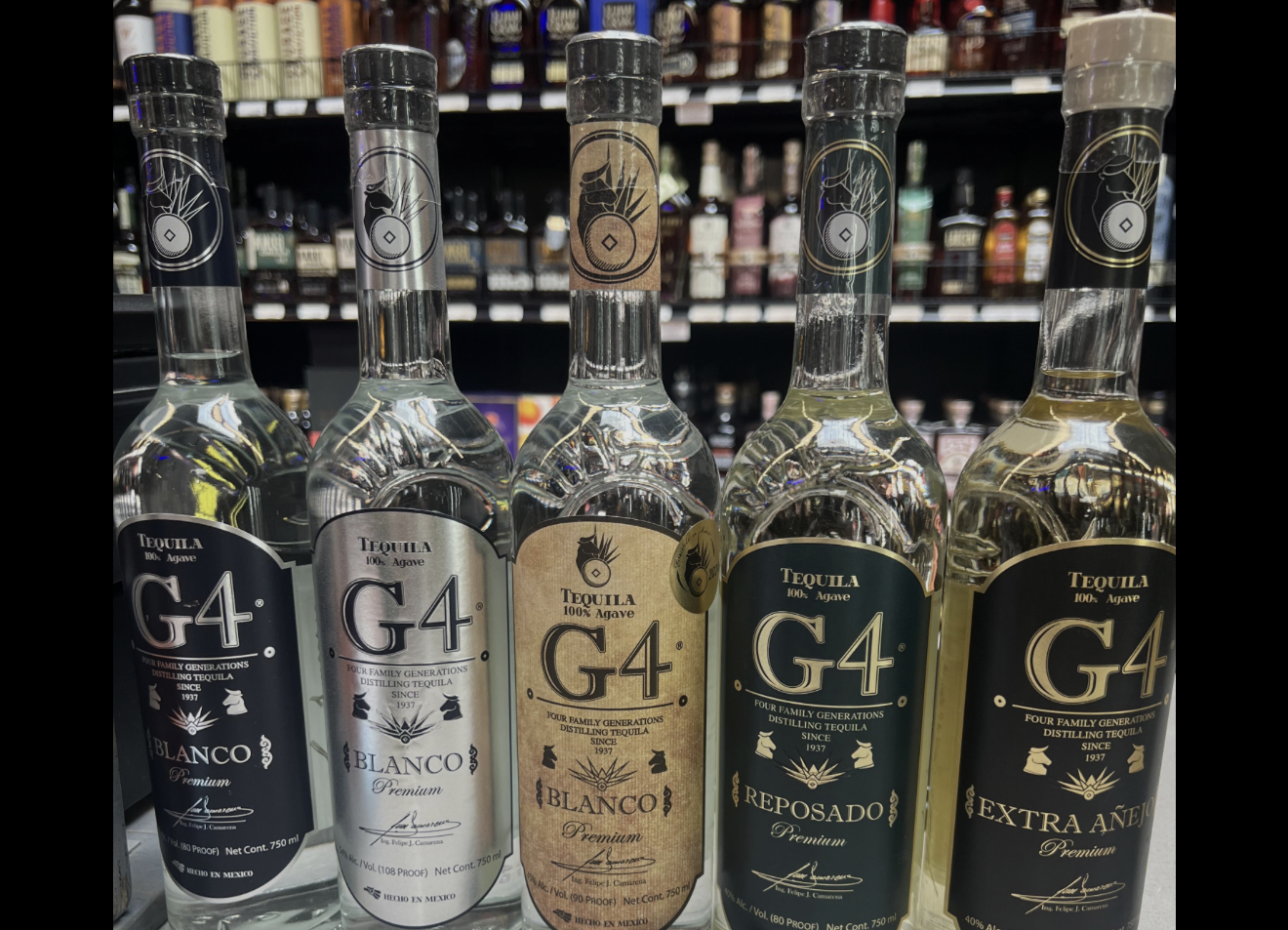
If you are a whiskey drinker who has always thought tequila was just a party shot with salt and lime, there is a whole side of the category you may have missed. The best tequila for whiskey drinkers is usually additive free, oak aged, and built for sipping.
That last part matters more than ever.
As tequila has exploded in popularity, many brands have started using additives to create sweeter flavors, darker colors, and extra smooth textures. Some bottles taste like vanilla cake and maple syrup not because of barrel aging, but because flavorings and sweeteners were added after distillation.
For whiskey fans who appreciate authenticity, barrel character, and real craftsmanship, additive free tequila is where things get interesting.
What Does Additive Free Mean?
Under tequila regulations, producers can legally add small amounts of ingredients after distillation. These can include:
- Sweeteners
- Glycerin for texture
- Oak extract
- Caramel coloring
- Artificial flavor components
The goal is consistency and mass appeal. Some brands use additives subtly. Others create tequilas that taste more like dessert than agave. Additive free tequila skips all of that. What you taste comes from the agave, the distillation process, and the barrel itself.
That approach feels very familiar to whiskey drinkers. Imagine ordering a bourbon and learning the distillery secretly added vanilla syrup and coloring before bottling it. Most whiskey fans would not love that idea.
That is why many bourbon and Scotch drinkers naturally gravitate toward additive free tequila once they discover it.
Why Oak Aged Tequila Works So Well for Whiskey Fans
The biggest crossover between whiskey and tequila is oak.
Reposado, añejo, and extra añejo tequilas spend months or years aging in barrels, often former bourbon casks from Kentucky. During that time, tequila develops the warm flavors whiskey lovers already enjoy:
- Vanilla
- Caramel
- Baking spice
- Toasted oak
- Dark chocolate
- Butterscotch
- Leather and tobacco notes
The difference is that tequila keeps the brightness of agave underneath all that oak. You still get earthy sweetness, pepper, citrus, herbs, and minerality layered into the experience. It feels rich like whiskey, but fresher.
The Best Additive Free Tequilas for Whiskey Drinkers
Reposado Tequilas
Reposado is usually the best entry point for whiskey fans because the oak influence is present without overwhelming the agave.
Excellent additive free choices include:
- Tequila Ocho Reposado
- El Tesoro Reposado
- G4 Reposado
- Siete Leguas Reposado
These bottles offer natural vanilla and spice from real barrel aging rather than sugary sweetness.
Añejo Tequilas
Añejo tequila is where whiskey drinkers usually become believers.
Great additive free options include:
- Don Fulano Añejo
- ArteNOM Añejo
- Terralta Añejo
- El Tesoro Añejo
These sip beautifully neat and hold up surprisingly well against premium bourbon or Scotch.
Why Additive Free Matters More Than Ever
Tequila is booming right now.
Agave spirits were one of the few major liquor categories still showing growth in the United States this past year, with sales increasing roughly 1.3 percent to 1.9 percent while several whiskey categories slowed down. Industry analysts also note that premium aged tequila continues driving much of that growth as consumers move toward sipping spirits instead of lower end party tequila.
But rapid growth has created a split in the tequila world. One side focuses on celebrity branding, sweetness, and mass market appeal. The other side focuses on traditional production, mature agave, natural fermentation, and honest barrel aging.
Whiskey drinkers tend to appreciate the second group immediately because it mirrors the same conversations happening in bourbon and Scotch around transparency and authenticity.
How to Spot a Good Bottle
If you want tequila that genuinely appeals to whiskey drinkers, look for these clues:
- Additive free reputation
- Traditional production methods
- Mature agave harvesting
- Oak aging with restraint
- Less focus on flashy packaging
- NOM number transparency
- Distilleries respected by tequila enthusiasts
And most importantly, do not judge tequila by the celebrity bottle with the loudest marketing campaign. The best tequila experiences often come from producers putting all their effort into the liquid itself.
Final Pour
For whiskey drinkers, additive free tequila offers something rare. You get the richness of barrel aging and oak influence you already love, but with an entirely different base spirit underneath. Agave brings brightness, earthiness, pepper, and natural sweetness that grain whiskey simply cannot replicate.
A good additive free reposado or añejo is not trying to imitate bourbon. It is showing what tequila tastes like when craftsmanship comes before marketing.
Finally, here’s a quick test you can do in the store to determine if the tequila is additive free-Shake the bottle a few times. If the liquid remains clear, it is additive free. If it becomes cloudy, it has additives and move on to another bottle.

Leave a Reply
Become an insider and receive weekly advice, tips, and insight on all things whiskey
.
Weekly tips, reviews and recommendations to help you enjoy whiskey life to the fullest.
JOIN THE LIST

Sippin' With Jordan Davis
sippin' with the stars

Million Dollar Cowboy Bar WY
old fashioned aF

5 Steps To Sip and Savor Whiskey
whiskey 101

COMMENTS