
The Wild World of Bourbon Limited Time Offerings
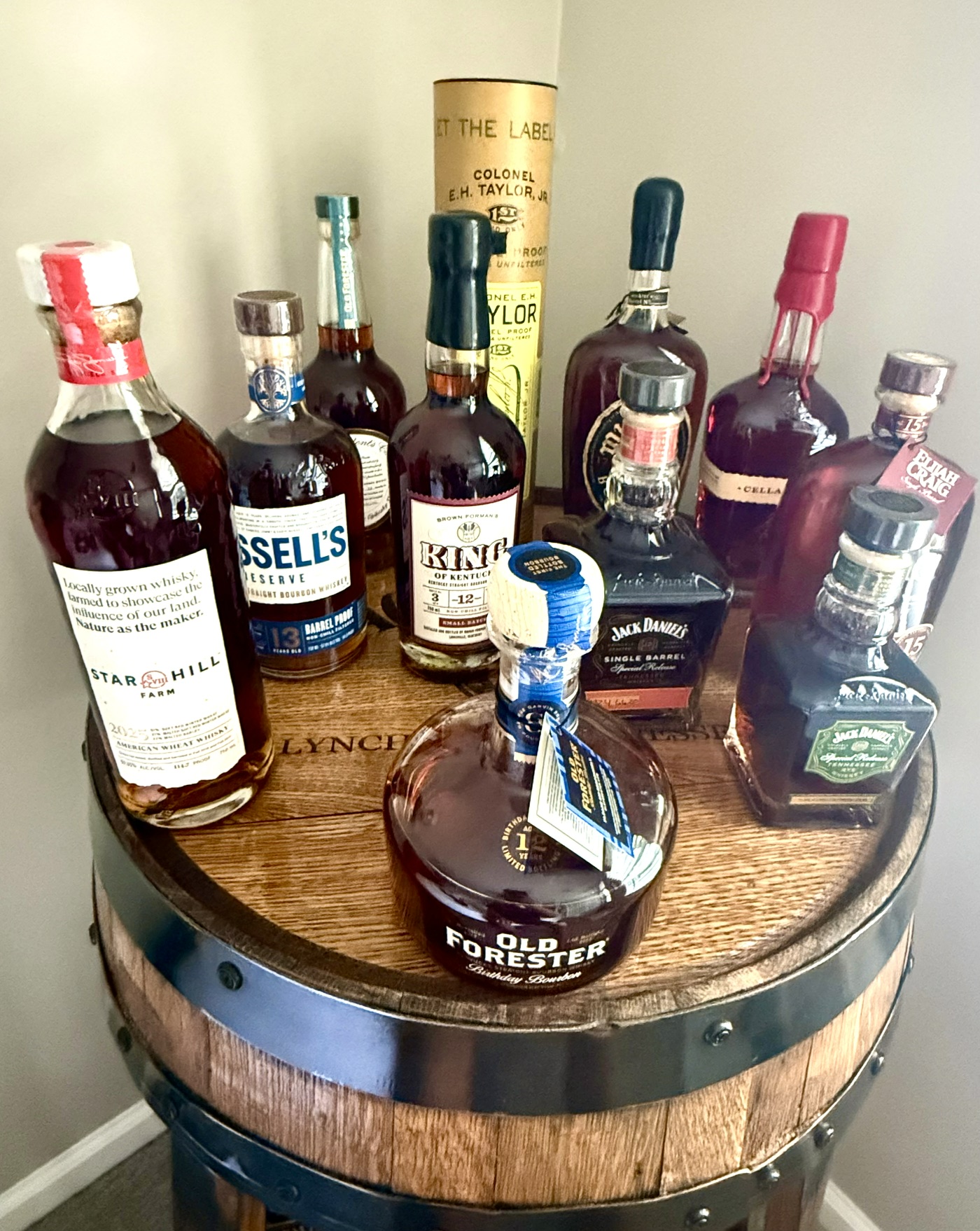
If you spend any time around a whiskey bar or browse social media groups dedicated to spirits, you will quickly notice people talking about bottles that seem entirely impossible to find. In the bourbon community, these are known as Limited Time Offerings, or simply LTOs. To the most dedicated enthusiasts, they are the ultimate prizes.
But what exactly are these bottles, when do they come out, and why does everyone seem to lose their minds over them? Let us break down the fascinating, sometimes chaotic world of allocated whiskey.
The Heavy Hitters: Most Popular Releases
When it comes to limited releases, a few names dominate the conversation. The absolute pinnacle for many is the Pappy Van Winkle lineup, along with the broader Buffalo Trace Antique Collection (BTAC), which features legendary expressions like George T. Stagg and William Larue Weller. These bottles represent the peak of traditional aging and flavor profiles. For my tastes, I’ll take the BTAC over the Pappy lineup.
Beyond those giants, distilleries across Kentucky and beyond put out highly anticipated annual treats. Heaven Hill releases its Parker Heritage Collection, Woodford Reserve drops its Master Collection, and Old Forester creates a massive stir with Birthday Bourbon, a release celebrating the birthday of founder George Garvin Brown. Each distillery uses these moments to showcase their finest craftsmanship.
What Makes Them So Limited?
At the end of the day, it comes down to simple math and time. Bourbon must age in charred new oak barrels, and during that time, liquid evaporates. This missing whiskey is known as the angel’s share. By the time a barrel sits in a warehouse for twelve, fifteen, or twenty years, there is very little liquid left inside.
This is not vodka, where you can distill and have bottles all the way to California in 30 days. Distillers cannot simply press a button to create more old bourbon. Decisions made two decades ago dictate the supply available today. Sometimes, a limited release is a unique experiment, such as a special toasted barrel finish or a unique grain recipe that the distillery only produced once. Once those specific barrels are empty, that flavor profile is gone forever.
The Great Autumn Release Calendar
While small batches drop throughout the year, the undisputed golden season for whiskey fans is autumn. The heavy hitters roll out sequentially starting in September and running straight through December. This period is often affectionately called hunting season by enthusiasts.
September kicks off with Old Forester Birthday Bourbon and the initial whispers of the Buffalo Trace Antique Collection. As October and November arrive, the Pappy Van Winkle lineup starts shipping to select retailers. By the time winter holidays arrive, the market is flooded with collectors searching for these prize bottles.
Are They Really That Hard to Find?
The short answer is yes. Finding one sitting casually on a retail shelf at regular price is incredibly rare. Almost impossible. Because demand outweighs supply by a massive margin, distilleries distribute these bottles through a strict allocation process. This means a liquor store might only receive one or two bottles of a specific release for the entire year.
To distribute them fairly, liquor stores utilize different methods. Some build reward systems for loyal customers, others host lottery drawings, and some still rely on the old fashion method of letting people camp outside the doors before opening. If you want one, you need a big wallet, patience, luck, or an excellent relationship with your local shop owner.
The Price Paradox: Retail vs Market
Pricing in the bourbon world is split into two completely different realities. First, there is the Suggested Retail Price set by the distillery. Surprisingly, many of these retail prices are reasonable. You might see an exceptional, rare bottle officially priced between one hundred and three hundred dollars. Unfortunately, this is a decreasing number.
Then, there is the secondary market. Because the bottles are incredibly scarce, collectors and secondary sellers drive prices up to astronomical levels. A bottle that officially costs one hundred dollars can easily command one thousand to three thousand dollars on the open market. This huge gap creates an environment where buyers must decide if the liquid inside matches the hype of the price tag.
Why Do People Care So Much?
Why do we chase these bottles? It is a mix of history, status, and genuine sensory appreciation. These expressions often represent the absolute best work of master distillers. They are the barrels that aged perfectly, hitting deep notes of rich caramel, dark fruit, oak, and baking spice that younger spirits simply cannot replicate.
There is also a wonderful social element to it. Sharing a rare pour with close friends or family during a special occasion creates an unforgettable memory. Ultimately, these bottles represent the peak of an art form, and the chance to taste a piece of liquid history is exactly why whiskey culture remains so vibrant and passionate.
I’ve been fortunate to secure several of these coveted releases, though my budget keeps me from chasing more. Each fall, I usually manage to find one or two, either through the luck of a retail drawing or relationships I’ve built in the industry. I have found most to be worth the cost and effort. Some collectors I know have slept outside, in line, for a rare release. I’m not that guy. I’ll stick with continuing to build relationships and hope for the best.

Leave a Reply
Become an insider and receive weekly advice, tips, and insight on all things whiskey
.
Weekly tips, reviews and recommendations to help you enjoy whiskey life to the fullest.
JOIN THE LIST

Sippin' With Jordan Davis
sippin' with the stars

Million Dollar Cowboy Bar WY
old fashioned aF

5 Steps To Sip and Savor Whiskey
whiskey 101

COMMENTS