
What Makes Unchilled and Unfiltered Whiskey Special?
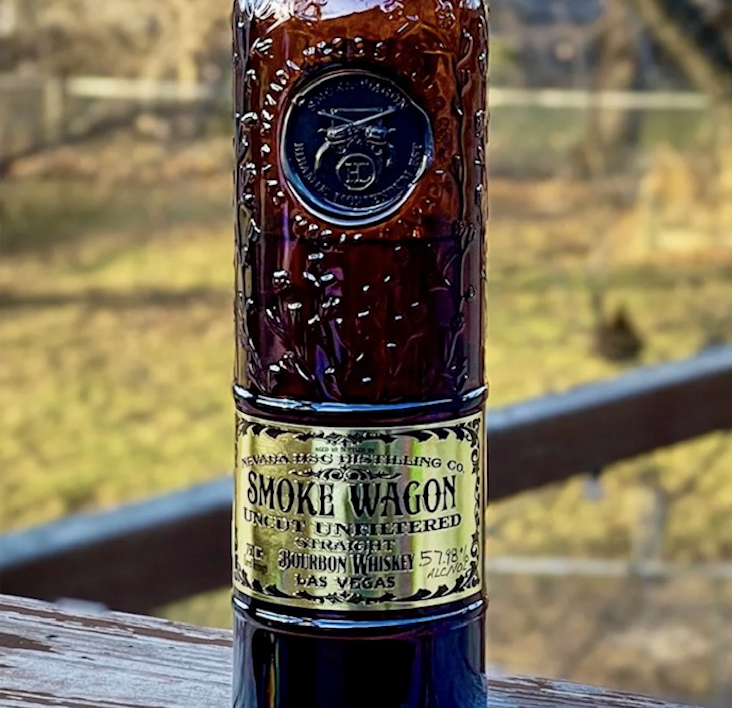
If you have spent any time browsing bottle shop shelves lately, you have probably noticed labels bragging about their unchilled and unfiltered whiskey. Distillers love showing off these terms, but what do they mean for your glass?
Here is a look at why drinkers are obsessing over raw whiskey, what drawbacks come with it, where the practice started, and where it is heading next.
What Are the Advantages for Consumers?
When whiskey matures inside the barrel, it pulls in natural compounds like fatty acids, esters, and proteins. Standard production chills the spirit down toward freezing and pushes it through fine filters to strip those compounds out. Skipping that chilling step gives consumers two major perks:
Richer Texture: Those natural fats and oils give the liquid a heavy, silky weight. Leaving them inside creates a mouthfeel that makes every sip feel noticeably creamier and more coating.
Deeper Flavor: Oils hold scent and flavor compounds. Preserving them keeps subtle notes of vanilla, oak, spice, and toasted sugar fully intact rather than pulling them out during processing.
You essentially get the spirit in its purest state, tasting it the same way the master distiller does straight from the oak.
Are There Any Negatives for Consumers?
Skipping the filters offers great flavor, but unchilled whiskey comes with a few quirks:
Cloudiness and Haze: When you pour room temperature whiskey over ice or dilute it with cold water, those remaining fatty acids react to the temperature drop and clump together. This creates a cloudy appearance called chill haze. It is completely harmless, but it can surprise people expecting crystal clear liquid.
Bits of Charcoal: Truly unfiltered spirits occasionally leave a tiny speck of oak barrel char at the bottom of your glass.
Higher Alcohol Levels: Unchilled spirits usually need an alcohol strength of 46 percent or higher to keep those oils stable at room temperature. That extra alcohol punch can feel strong for casual drinkers who prefer lighter pours.
Slightly Higher Price: Unfiltered releases often come in smaller, premium batches, which can raise the price tag compared to standard bottles.
When Did This Practice Begin?
Basic filtration using cloth or charcoal goes back centuries, but artificially chilling whiskey before filtering became common in the early to middle twentieth century.
As glass production made clear bottles affordable, whiskey moved away from barrels and into display cases. Distillers noticed that bottles shipped during cold winter months developed a hazy look that customers mistook for poor quality. To fix a purely visual issue, producers began chilling their barrels to force the haze to form before running the spirit through tight paper filters.
For decades, crystal clear spirit was the global standard. The shift back toward unchilled releases started gaining momentum near the end of the twentieth century, driven by craft distilleries and Scotch single malt makers wanting to showcase raw authenticity over visual perfection.
What Does the Future Look Like?
The future of whiskey is focused on transparency and flavor over cosmetic appearance. As whiskey drinkers become more educated, demand for minimally processed spirits continues to grow rapidly.
Major distilleries that once filtered every product are now introducing unchilled options into their main lineups to satisfy enthusiast demand. Expect to see more brands clearly printing their filtration choices on the front label, higher standard alcohol strengths across everyday bottles, and natural cloudiness widely accepted as a mark of quality rather than a flaw.
If you’re interested in some bottles that carry these two attributes, look for:
- Maker’s Mark Cask Strength
- Wild Turkey Rare Breed
- Knob Creek 12 Year Cask Strength
- Smoke Wagon Uncut & Unfiltered
- Blue Note Uncut Straight Bourbon
- Jack Daniels Single Barrel Barrel Proof
- Elijah Craig Barrel Proof
- Stagg
- Booker’s
As more whiskey drinkers look beyond the label and become interested in how their favorite bottles are made, unchilled and unfiltered expressions continue to gain attention for good reason. They offer a fuller texture, richer flavor, and a closer connection to what comes straight from the barrel. While a little cloudiness or a tiny fleck of barrel char might catch you off guard at first, those characteristics are often signs that very little has been removed from the whiskey before it reached your glass. The next time you’re shopping for a bottle, keep an eye out for terms like unchilled, cask strength, or uncut and unfiltered. You may discover a whiskey with more character, more complexity, and a tasting experience that feels just a little closer to the distillery itself.

Leave a Reply
Become an insider and receive weekly advice, tips, and insight on all things whiskey
.
Weekly tips, reviews and recommendations to help you enjoy whiskey life to the fullest.
JOIN THE LIST

Sippin' With Jordan Davis
sippin' with the stars

Million Dollar Cowboy Bar WY
old fashioned aF

5 Steps To Sip and Savor Whiskey
whiskey 101

COMMENTS