
The Exotic Wood Bourbon Trend
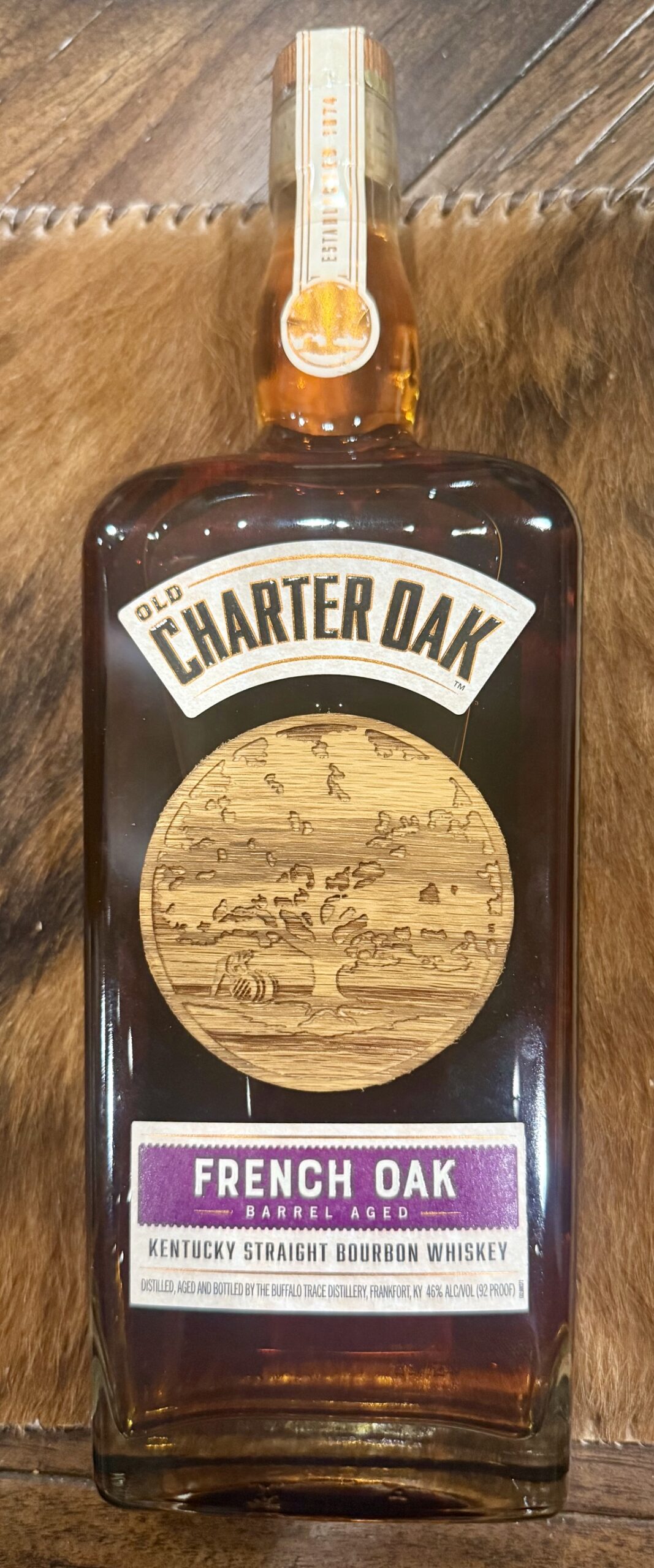
If you’ve spent any time browsing the bourbon aisle lately, you’ve probably noticed more bottles labeled as exotic wood bourbon or advertising finishes in French oak, Mizunara, Amburana, and other unusual woods. If you’re new to bourbon, it’s easy to assume these whiskeys were aged entirely in those exotic barrels.
Not quite.
By law, bourbon has to be aged in a brand new, charred American white oak barrel. That’s one of the defining characteristics of bourbon, and it isn’t changing anytime soon. So where do all these exotic woods come in?
After the bourbon has finished its primary aging and officially becomes bourbon, some distillers transfer it into a second barrel made from a different type of wood. This process is called cask finishing. Instead of replacing the classic bourbon profile, the second barrel adds another layer of flavor and aroma.
Think of it like seasoning a great meal. The foundation is already there. The finishing barrel simply changes the final experience.
Why Distillers Are Experimenting
There are a few reasons finished bourbons have become so popular over the last several years.
The first is simple, bourbon drinkers love trying something new. As the bourbon boom has grown, so has the number of people who enjoy comparing bottles and hunting for different flavor profiles. A bourbon finished in an unusual wood offers something that stands apart from the dozens of traditional options on the shelf.
Another reason is time.
Producing a well aged bourbon takes patience, and patience is expensive. Waiting twelve or fifteen years for a whiskey to mature ties up inventory and money for a long time. A secondary finish allows distillers to take a younger bourbon, often aged four to six years, and add extra character in just a few months. It doesn’t replace years of aging, but it can create additional complexity much more quickly.
Regulations have also become clearer. Producers can now label their bottles as bourbon finished in a specific type of wood, provided they aren’t adding artificial flavors or colors. That transparency has helped consumers understand exactly what they’re buying.
What Each Exotic Wood Brings
Every species of wood has its own structure and natural compounds, so each one contributes something different to the finished bourbon.
French Oak
French oak has a tighter grain than American white oak, which means flavors are released more slowly. The result is often a smoother mouthfeel with notes of baking spices, dark chocolate, cinnamon, clove, and gentle tannins that add structure without overwhelming the bourbon.
Mizunara Oak
Originally from Japan, Mizunara has become one of the most sought after finishing woods in the whiskey world. It’s notoriously difficult to work with because it’s porous and prone to leaking, and the trees can take around 200 years to mature before harvesting.
The payoff is a distinctive flavor profile featuring sandalwood, incense, coconut, subtle spice, and delicate floral notes that you simply won’t find in traditional bourbon.
Amburana
If you enjoy warm baking spices, Amburana gets your attention quickly.
This Brazilian hardwood has been used for years to age Cachaça and is incredibly flavorful. Even a short finishing period can produce bold notes of cinnamon rolls, gingerbread, vanilla bean, nutmeg, and sweet baking spices. Left too long, though, it can easily overpower the bourbon underneath.
Spanish Oak
Spanish oak is often paired with casks that previously held Sherry wine. Together they create rich flavors of raisins, figs, espresso, cloves, and dark fruit while adding deeper color and more pronounced tannins.
Chinquapin Oak
Although it’s a North American white oak, Chinquapin has a noticeably different chemical makeup than the American white oak traditionally used for bourbon. It tends to produce bold flavors of brown sugar, roasted coffee, black pepper, smoke, and rich wood sweetness.
Where This Trend Is Headed
Exotic wood finishes aren’t going away, but the industry is beginning to mature.
A few years ago, simply putting bourbon into an unusual barrel was enough to generate excitement. Today, consumers have become more knowledgeable and a little more selective. They know that a flashy finish can’t make up for mediocre bourbon underneath. That’s pushing distillers to become more precise.
Instead of leaving an entire batch in an exotic barrel for months on end, some producers finish only portions of the whiskey before blending those components back into the final product. The goal isn’t to create a bourbon that tastes only like the finishing wood. It’s to build a balanced whiskey where the additional flavors support the original bourbon instead of overpowering it.
Why Finished Bourbons Cost More
If you’ve ever wondered why these bottles usually carry a higher price tag, there are several reasons.
The barrels themselves are significantly more expensive. A standard new American white oak barrel typically costs around $250 to $350. A French oak barrel can easily cost $1,000 or more, while rare Mizunara barrels may sell for $3,000 to $5,000 because of their scarcity and the long time required to grow the trees.
Then there are the additional production costs. The bourbon has to be transferred into another barrel, tracked separately during its second maturation, and monitored closely so it isn’t over finished. Producers also lose more whiskey to evaporation during the extra aging period.
By the time all of those expenses are added together, it’s no surprise that many finished bourbons begin around $70 to $100 and climb much higher from there.
So Are They Worth It?
That depends entirely on your palate.
Some bourbon drinkers love the extra layers of spice, fruit, or sweetness that exotic woods can provide. Others prefer the familiar character of traditional American white oak and feel that’s where bourbon shines.
Personally, I’m still in the old school camp. I’ve tried several finished bourbons over the years, and while I appreciate the creativity behind them, I haven’t found one that made me want to replace a well made traditional bourbon. Maybe I’m missing something, but I’m perfectly comfortable missing out. No FOMO here.
That said, bourbon is all about personal preference. If you’ve found an exotic wood finished bourbon that completely changed your mind, I’d love to hear about it. Maybe there’s still one out there waiting to convert me.

Leave a Reply
Become an insider and receive weekly advice, tips, and insight on all things whiskey
.
Weekly tips, reviews and recommendations to help you enjoy whiskey life to the fullest.
JOIN THE LIST

Sippin' With Jordan Davis
sippin' with the stars

Million Dollar Cowboy Bar WY
old fashioned aF

5 Steps To Sip and Savor Whiskey
whiskey 101

COMMENTS