
My Love + Hate Relationship With Total Wine
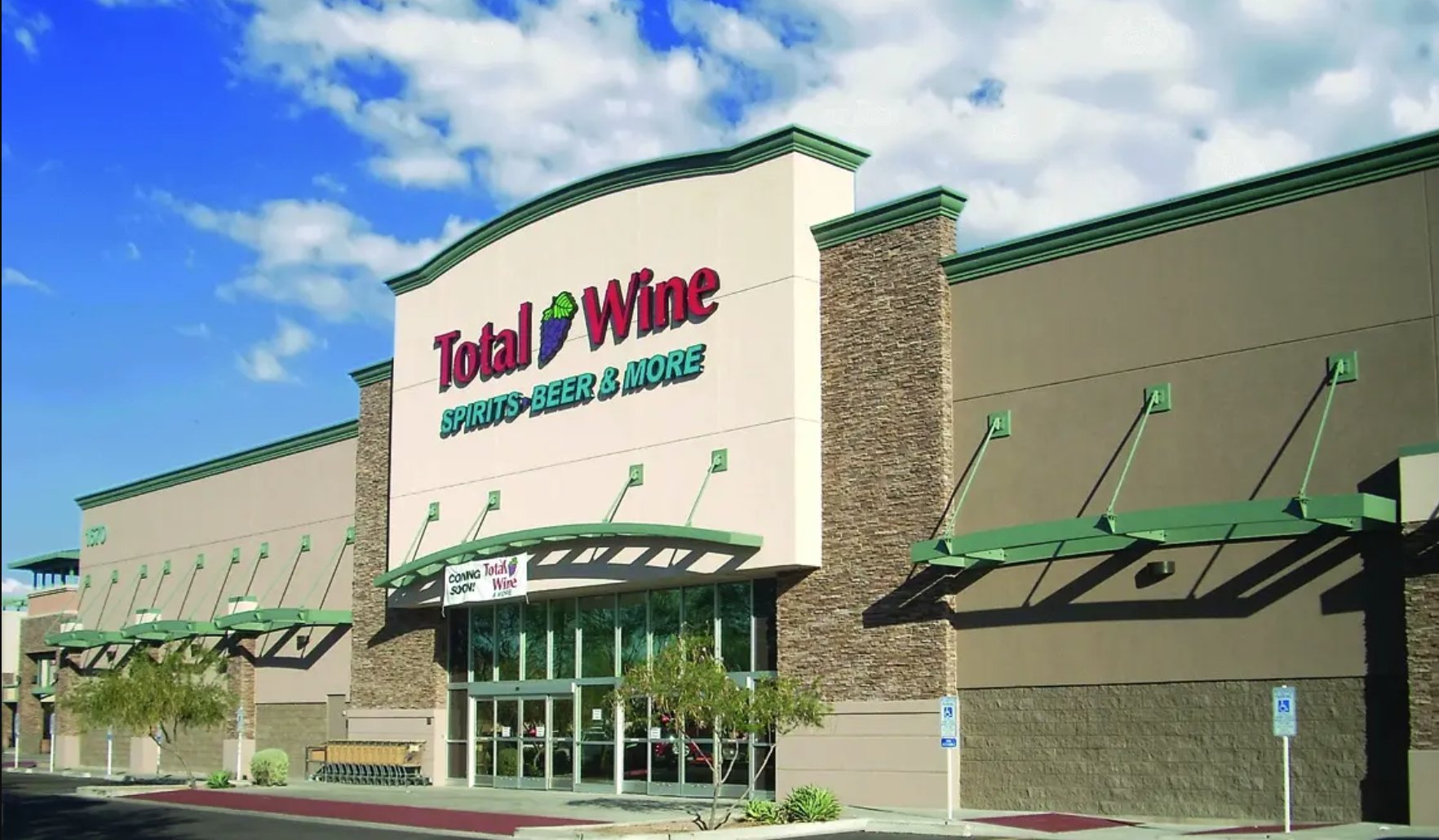
The first time I stepped in to a Total Wine it felt more like a warehouse dedicated entirely to adult beverages than a regular liquor store. This is why I love them. It was in Palm Beach, Florida and I immediately sent my wife pictures of the immense wine aisles. It was the largest store I had ever seen. The chain was founded back in 1991 by brothers David and Robert Trone, who started out with a single location in Delaware. Flash forward to today, and the business has exploded into roughly 296 superstores operating across 31 states.
They have a huge selection, but when walking the whiskey and bourbon aisles, you will notice yellow tags marked Spirits Direct everywhere. These represent the house brands for Total Wine. This is where my hatred enters the chat.
How Many Spirits Direct Brands Are on the Shelf?
Unlike grocery stores that put their exact store name on a generic label, Total Wine creates distinct product names for its exclusive lineups. Across the bourbon and whiskey sections, there are literally dozens of these proprietary labels. Names like Chestnut Farms, Wolcott, Winchester, and Quarter Horse line the shelves alongside mainstream choices. They love to throw a horse on the label.
Who Actually Distills Total Wine Spirits Direct Whiskey?
Let’s get this straight. Total Wine does not own any distilling equipment or aging warehouses. Instead, they source their whiskey from large, well established distilleries and mega bottlers. I doubt they are getting the best bottles from their sources. All distilleries have tasting teams, and you can bet your ass they keep the best for themselves. I’m not saying they get a bad supply, just not the best.
- Barton 1792 Distillery: Located in Kentucky, this producer distills brands like Wolcott for the store.
- MGP Ingredients: Located in Indiana, this large scale producer supplies classic rye and bourbon mash bills for countless store labels.
- Other Kentucky and Tennessee Producers: Distilleries like Green River Distilling Co. contract distill and bottle house labels under non-disclosure agreements.
Fine print requirements on the back label usually give away the state of distillation, even if the exact distillery name remains secret. Read the labels!
Why Does Total Wine Sell Spirits Direct Brands?
Selling house brands boils down to higher profit margins and customer retention. Major national whiskey brands command high prices, but the retail store makes relatively small profit margins on those sales.
By partnering directly with distillers and bypassing traditional brand marketing costs, Total Wine yields much higher profit margins on Spirits Direct bottles. Customers get an acceptable pour at an attractive price point, while the store secures exclusive products that shoppers cannot buy anywhere else. So, of course, they are pushing these.
Why Whiskey Enthusiasts Pass on Spirits Direct?
If you read or participate in bourbon forums or local tasting clubs, you will quickly notice that seasoned whiskey drinkers actively avoid most Spirits Direct bottles.
The biggest issue comes down to transparency and flavor profiles. Enthusiasts love knowing the exact heritage, age, grain bill, and rickhouse conditions behind their pour. House brands obscure this information behind marketing stories about fictional master distillers or family legacies that do not exist. Beyond the mysterious origins, many of these sourced blends simply fail to match the quality or depth of established distilleries. Enthusiasts often view them as overpriced younger whiskey packaged in heavy bottles with elevated price tags.
Why Total Wine Employees Push Spirits Direct
The real friction for me occurs right in the store aisles. Shoppers frequently walk in looking for allocated or respected bottles like Buffalo Trace or Eagle Rare, only to be steered away by employees towards house brands like Chestnut Farms or Wolcott.
Staff members often claim these house labels taste identical to famous allocated whiskeys or come from the exact same barrels. Because store managers track sales targets on these exclusive lines, floor staff are trained to pitch them aggressively. It’s obnoxious to witness and hard to swallow.
This pushy tactic has led to significant backlash. Experienced shoppers dislike feeling manipulated, while casual buyers who take the recommendation often end up disappointed by a subpar bottle. As a result, many whiskey lovers outright ignore Total Wine employee recommendations in favor of doing their own independent research before stepping foot in the store. I have found myself chatting with the buyer multiple times after the employee has walked away.
In my opinion, they are taking advantage of an uneducated whiskey consumer, and I hate that. The bottom line is to bring your phone with you into the store. Google the most recommended bottles in your price range. There is so much online information available. Many websites offer tasting notes, recommendations, and preferred brand lists. Take advantage of the technology.
I’ll keep shopping at Total Wine because the selection is hard to beat, but with Spirits Direct, I’m keeping my guard up. Do your homework, read the labels, check independent reviews, and know what you’re buying before someone in the aisle convinces you they’ve found the next Buffalo Trace. There are too many great bottles of whiskey out there to spend your money on one simply because it has a yellow tag and a good sales pitch.

Leave a Reply
Become an insider and receive weekly advice, tips, and insight on all things whiskey
.
Weekly tips, reviews and recommendations to help you enjoy whiskey life to the fullest.
JOIN THE LIST

Sippin' With Jordan Davis
sippin' with the stars

Million Dollar Cowboy Bar WY
old fashioned aF

5 Steps To Sip and Savor Whiskey
whiskey 101

COMMENTS