
Are Spirits Worldwide Dependent Upon Whiskey Barrels?
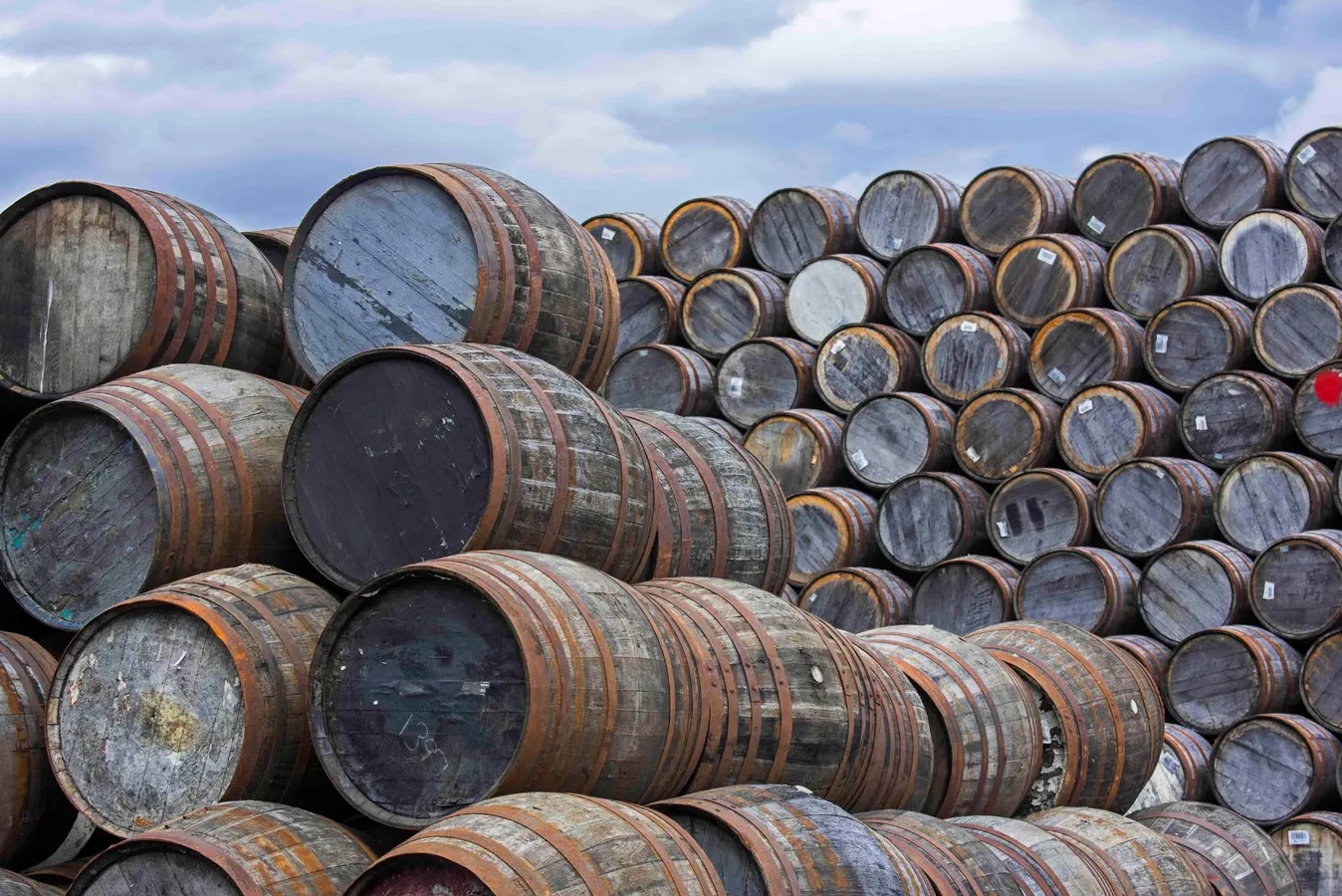
When you look at a bottle of aged tequila, a premium dark rum, or a complex bottle of Scotch, you are looking at the liquid footprint of the American whiskey industry.
The global spirits world is completely obsessed with American white oak barrels, specifically used bourbon casks. It is not just a preference or a casual choice. It is a massive, interconnected supply chain that keeps the entire global booze ecosystem afloat. The reason comes down to a strict quirk in American federal law.
To be legally labeled as straight bourbon, the spirit must be aged in brand new, charred oak containers. Once that bourbon is dumped and bottled, that barrel cannot be used for bourbon ever again. It is a one and done situation for the whiskey makers.
But for a distiller in Scotland, Ireland, Canada, or Mexico, that freshly emptied barrel is pure gold.
Why the Rest of the World Wants Used Bourbon Barrels
Brand new white oak is incredibly potent. It is packed with wood sugars, tannins, and intense vanillin that can easily overwhelm more delicate spirits. When a bourbon maker uses a barrel first, they essentially tame the wood. They pull out the aggressive, harsh edges while leaving behind a seasoned, highly stable oak home. The used barrel still holds plenty of flavor potential, plus a delicious residue of the sweet corn whiskey that sat inside it for years.
Distillers around the world rely on these casks for specific reasons:
Scotch Whisky: The Scotch industry is arguably the biggest beneficiary of American bourbon laws. Roughly ninety percent of all Scotch whisky is matured in used American oak casks. The subtle sweetness of the residual bourbon perfectly complements the malty, sometimes smoky spirit, giving Scotch its classic notes of vanilla, coconut, and honey.
Irish Whiskey: Irish distillers love used bourbon barrels for their famous triple distilled spirits. Because Irish whiskey is known for its incredibly smooth, light, and fruity profile, brand new wood would completely crush the delicate flavors. Used casks provide the ideal, gentle maturation environment.
Canadian Whiskey: Canada has a long tradition of blending different grain whiskies. They use a massive number of once used American barrels to age their corn, rye, and barley spirits separately before blending them into a smooth final product.
Tequila: By Mexican law, Reposado, Añejo, and Extra Añejo tequilas must be aged in oak. Estimates show that the vast majority of all aged tequila rests quietly in used bourbon barrels. The wood imparts soft notes of caramel that balance the earthy, peppery bite of the blue agave.
Rum: Rum makers love the economic and flavor benefits of the bourbon industry. They use these casks to give their spirits a deep amber color and a smooth, tropical complexity without having to buy expensive new oak every time.
Craft Beer: The barrel aged beer movement is entirely built on this relationship. Brewers scramble to secure wet bourbon barrels to age imperial stouts, porters, and barleywines. The beer absorbs the deep char, the caramelized sugars, and the residual whiskey proof straight from the staves.
Are They Completely Dependent?
The short answer is no, but logistically and financially, yes.
Spirits can certainly be aged in other vessels. The Scotch and Irish industries have a long history of using European oak sherry butts from Spain, and many makers use French oak wine casks. There is also a rising trend of distillers finishing spirits in unique ways, like aging peated Scotch entirely in tequila or rum casks to create wild new flavor profiles.
However, none of those alternatives exist at the massive scale of the American whiskey market.
American white oak is uniquely suited for barrel making because its cellular structure contains natural plugs called tyloses, which make the wood exceptionally liquid tight. Combined with the massive volume of bourbon produced every year, it creates a steady, reliable, and affordable stream of millions of empty barrels.
Without the constant output from the American whiskey industry, the price of aged spirits worldwide would skyrocket, and the distinct flavor profiles of your favorite international whiskies, tequilas, rums, and craft beers would change forever.

Leave a Reply
Become an insider and receive weekly advice, tips, and insight on all things whiskey
.
Weekly tips, reviews and recommendations to help you enjoy whiskey life to the fullest.
JOIN THE LIST

Sippin' With Jordan Davis
sippin' with the stars

Million Dollar Cowboy Bar WY
old fashioned aF

5 Steps To Sip and Savor Whiskey
whiskey 101

COMMENTS